Overview
Moscow’s construction market combines fast-paced urban development, strict regulatory requirements, and a high demand for durable, energy-efficient materials. Whether you’re planning a renovation, building a new home, or sourcing bulk materials for a large project, understanding local specifics—climate, standards, logistics, and supplier reliability—is essential for success.
Why Moscow Is Special: Key Local Factors
— *Climate and cycles*: cold winters, freeze–thaw cycles and temperature swings require frost-resistant materials, effective thermal insulation and reliable waterproofing.
— *Regulatory environment*: projects must comply with Russian standards (GOST), building codes (СНиП/SNiP), and local permitting procedures—large projects may need state expertise (e.g., MosgosExpertiza / Мосгосэкспертиза).
— *Logistics & urban constraints*: traffic, loading/unloading windows, and site access in central Moscow affect delivery scheduling and equipment choice.
— *High expectations for finish and longevity*: Moscow clients expect long-term performance and energy efficiency, driving demand for premium systems.
Core Construction Services Offered in Moscow
— General contracting and turnkey construction
— Reconstruction and structural repair (foundations, load-bearing walls)
— Exterior works: facades, insulation systems (ETICS), waterproofing
— Roofing installation and repair
— Interior finishes: plastering, flooring, tiling, painting
— MEP works: heating, ventilation, air conditioning, plumbing, electrical
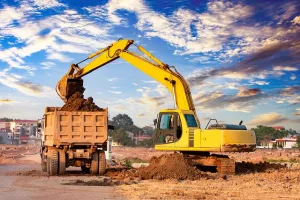
— Site preparation: excavation, dewatering, piling
— Project management, design coordination and permit support
Building Materials You Should Consider
— Concrete and cement blends (frost-resistant grades for Moscow winters)
— Masonry: clay bricks, ceramic blocks, aerated concrete (газобетон)
— Thermal insulation: mineral wool, extruded polystyrene (XPS), expanded polystyrene (EPS)
— Waterproofing membranes, bituminous coatings and liquid waterproofing
— Roofing: metal tiles, profile sheets, soft roofs (bitumen-based), membrane systems
— Windows and doors: energy-efficient multi-pane glazing, sealed frames
— Structural steel and corrosion-protected fasteners
— Finishing materials: plaster, paint, tile, laminate, engineered wood flooring
— HVAC components, boilers, heat pumps and underfloor heating systems
— Plumbing fixtures, piping (PEX, polypropylene), and drainage systems
Quality & Compliance: What to Check
— Certificate of conformity (сертификат соответствия) or declaration under GOST/RU standards
— Product passports and technical data sheets
— Warranty terms and service support
— Test reports for frost resistance, thermal conductivity, fire rating where relevant
— Track record of manufacturer or supplier in Moscow projects
How to Choose a Supplier or Contractor
1. Verify licenses and registration for the type of works (construction, electrical, gas).
2. Review a portfolio of completed Moscow projects and ask for references.
3. Insist on detailed proposals with scope, milestones, payment schedule and penalties.
4. Ask about delivery logistics and offloading conditions—can the supplier handle central Moscow deliveries?
5. Confirm post-sale support: returns, replacements, technical consultations.
6. Compare total cost (materials + transport + storage) rather than unit price alone.
Practical Buying Tips for Moscow Projects
— Order materials with a margin for waste (typical: 5–15% depending on product).
— Time major deliveries outside peak traffic hours and secure a loading permit if needed.
— Store moisture-sensitive materials in heated, ventilated spaces during winter.
— Prioritize low-U-value windows and quality insulation—heating costs in Moscow are a major life-cycle expense.
— For foundations and below-grade structures, choose frost-resistant concrete mixes and high-grade waterproofing.
— Consider prefab and modular solutions to reduce on-site time and permit complexity.
Cost Drivers and Budgeting
— Site conditions: soil type and groundwater increase foundation costs.
— Scope and finishes: premium cladding, glazing and bespoke elements raise budgets.
— Logistics in central Moscow: parking, lifting equipment, and delivery windows add costs.
— Seasonal factors: winter work can incur additional heating and protection costs.
— Regulatory requirements: surveys, expert reviews and permits carry fees.
Trends & Innovations
— Energy-efficient systems (insulated envelopes, heat recovery ventilators, efficient boilers)
— Prefabrication and modular construction to speed timelines and reduce waste
— Green materials: low-VOC finishes, recycled aggregates and ecobetons
— Digital tools: BIM for coordination, electronic tendering and procurement platforms
— Demand for turnkey energy renovation (энергоэффективный капремонт)
Permits and Administrative Checklist (high-level)
— Prepare architectural and engineering documentation compliant with СНиП
— Submit designs for required expert review (if applicable)
— Obtain construction permit and notify municipal authorities of work schedules
— Ensure gas and electrical works are executed by certified contractors and inspected
— Keep records of tests, certifications and warranties for handover
Quick Checklist for Starting a Project in Moscow
— Define project scope, timeline and target budget
— Choose a reliable general contractor or qualified trades
— Select materials meeting GOST/SNiP and frost-resistance requirements
— Plan logistics and storage on-site—secure permits for deliveries if needed
— Arrange inspections and documentation for commissioning and handover
Frequently Asked Questions
— How to reduce heating bills in Moscow?
— Invest in high-quality insulation, effective windows, and a balanced heating system; prioritize airtight details and thermal bridges elimination.
— Is it better to buy locally or import materials?
— Local suppliers reduce lead times, ensure GOST compliance and simplify warranty/service; import selectively for specialty items.
— When is the best season for major exterior works?
— Late spring to early autumn is preferred; winter works are possible with additional protection and costs.
Conclusion
Successful construction and procurement in Moscow combine technical knowledge, regulatory compliance and smart logistics. Focus on certified materials, trusted contractors, and solutions designed for local climate stresses. Proper planning—from design through delivery and commissioning—delivers durability, energy savings and peace of mind.
For project-specific guidance—material lists, supplier recommendations or an estimate outline—contact a local specialist or request quotes from several Moscow-based suppliers and contractors to compare offers.