Construction Works and Sale of Building Materials in Moscow
Whether you’re planning a renovation, building a new home, or managing a commercial project in Moscow, understanding local specifics for construction works and where to source reliable building materials will save time, money, and headaches. This guide covers practical steps, local considerations, material choices, regulations, logistics and tips for working successfully in Moscow.
Quick overview
— Moscow has a wide range of suppliers—from large manufacturers and national chains to specialized local stores and marketplaces.
— Local climate (cold winters, freeze–thaw cycles) and regulatory requirements influence material choice and construction methods.
— Permits and compliance with Russian building codes (SNiP, SP) and Moscow municipal rules are essential for major works.
Typical services offered by construction companies in Moscow
— Design and engineering (architectural plans, structural calculations)
— Permitting and coordination with municipal authorities
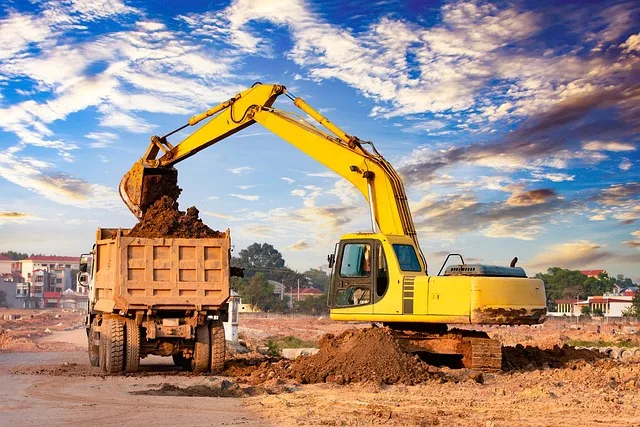
— Excavation, foundations, and reinforced concrete works
— Masonry, framing, roofing, insulation and facades
— Interior finishes, plumbing, electrical, HVAC
— Demolition and site clearance
— Supply, delivery and storage of building materials
— Turnkey project management and warranty service
Commonly used building materials (and Moscow-specific notes)
— Brick and ceramic blocks — widely used for facades and bearing walls; frost resistance is important.
— Aerated/autoclaved concrete (газобетон) — popular for speed and thermal performance; needs proper moisture protection.
— Reinforced concrete — for foundations, slabs and columns; use frost-resistant mixes and proper curing.
— Metal profiles and steel — structural frames, roofing, and facades; consider galvanization or protective coatings due to urban pollution.
— Insulation (mineral wool, PIR, EPS) — choose materials rated for low temperatures and moisture resistance.
— Roofing (metal tiles, flat membrane systems) — ensure snow load calculations and reliable waterproofing.
— Finishing materials (ceramics, paints, laminates) — select frost- and moisture-proof types for balconies and façades.
Where to buy materials in Moscow
— Big-box and chain stores: OBI, Leroy Merlin, Castorama — good for standard products and bulk DIY supplies.
— Specialized suppliers and wholesalers — better for large volumes, custom orders, and construction-grade materials.
— Local brick, concrete and block manufacturers — often offer delivery and better prices for big orders.
— Online marketplaces and B2B platforms — useful for comparing prices and arranging delivery.
— Building markets and trade yards (e.g., specialised industrial districts) — good for last-minute purchases and specialized items.
Permits, codes and compliance
— Small interior repairs generally don’t require special permission, but structural changes, façade works, and extensions do.
— Major projects require design documentation and approvals per Russian building codes (SNiP and SP) and Moscow municipal regulations.
— For façade work, historic buildings or changes affecting the exterior, coordinate with the Moscow Department for Urban Planning and Architecture.
— Always ask your contractor for documentation: design approvals, construction permits, and certificates of conformity for materials.
Logistics and delivery tips
— Use supplier delivery services to avoid loading/unloading bottlenecks—Moscow traffic and restricted zones can complicate deliveries.
— Schedule large deliveries during off-peak hours when possible; ensure building entrance and site access are prepared.
— For long-storage materials, choose covered storage or protective sheeting; moisture and freeze–thaw damage are real risks.
— Plan for waste removal: negotiate demolition and construction waste disposal with contractor or hire licensed waste carriers.
Seasonal considerations
— Winter construction requires special concreting measures (heated forms, antifreeze admixtures) and extra insulation for works.
— Spring thaw can create muddy sites; ensure proper drainage and site preparation.
— Roofing and exterior finishing are best scheduled when temperatures are reliably above freezing.
Quality, certification and warranties
— Ask for certificates of conformity (сертификат соответствия) and technical passports (паспорт качества) for key materials.
— Prefer suppliers with clear warranty terms and documented delivery notes (TTN/товарно-транспортная накладная).
— For structural materials (concrete, steel, insulation), verify supplier track record and request references or completed project examples.
Budgeting and cost control
— Obtain multiple quotes for both materials and construction services.
— Factor in: materials, delivery, permits, design fees, waste disposal, insurance, and contingency (10–15%).
— Bulk purchasing often reduces unit costs, but consider storage and tied-up capital.
Choosing a contractor in Moscow
— Verify registration, licenses, and insurance.
— Request a written contract with clear scope, milestones, payment schedule, and penalties for delays.
— Ask for portfolio, references, and a breakdown of subcontractors.
— For large projects, consider hiring an independent engineering supervision (технадзор).
Sustainable and energy-efficient options
— Invest in high-quality insulation and airtightness—Moscow’s climate rewards efficient envelopes with heating savings.
— Consider energy-efficient windows, ventilation with heat recovery, and modern boiler or heat-pump systems.
— Recycled or locally produced materials reduce transport emissions and may be cost-effective.
Common pitfalls and how to avoid them
— Skipping permits for “minor” structural changes — results in fines and costly rework.
— Choosing cheapest materials without certification — leads to premature failure.
— Poor logistics planning — delays and extra expenses in the city context.
— Not accounting for seasonal constraints — lost time and higher costs in winter.
Quick checklist before starting
— Define full scope and budget with contingency
— Secure design documents and necessary permits
— Choose certified materials and reliable suppliers
— Agree on delivery windows and site access
— Sign a detailed contract with the contractor
— Plan waste disposal and final inspections
Final notes
Moscow offers abundant resources for construction and materials, but success depends on planning for local climate, regulatory compliance, and careful selection of suppliers and contractors. Prioritize certified materials, clear contracts, and logistics planning to keep your project on time and within budget.
If you’d like, I can:
— Suggest a short list of trusted supplier categories or marketplaces in Moscow,
— Draft a simple contractor agreement checklist,
— Help estimate a materials list for a specific project (provide size/type).