
Construction Works and Sale of Building Materials in Moscow
Whether you’re planning a full-scale new build, a renovation, or a façade upgrade in Moscow, success depends on two pillars: *skilled construction works* and *reliable building materials*. This guide explains the local specifics, how to choose suppliers and contractors, and practical tips to keep your project on time, on budget, and compliant with regulations.
Why Moscow is different: climate, logistics, and regulation
— *Climate*: Long, cold winters and freeze–thaw cycles require frost-resistant foundations, high-quality thermal insulation, and moisture-stable finishing materials.
— *Urban logistics*: Central Moscow has heavy traffic, restricted delivery windows, and frequent permit requirements for large vehicles — plan deliveries and storage carefully.
— *Regulatory environment*: Compliance with Russian standards (GOST), construction norms (SNiP and current SP codes), and EAC marking for products sold in the Eurasian Economic Union is essential. Local permits and approvals are issued by Moscow’s urban planning authorities.
Core construction works offered in Moscow
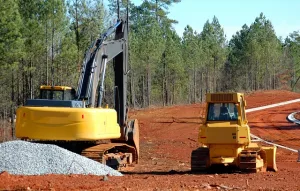
— Site preparation and earthworks (including frost-protection measures and dewatering)
— Foundations and reinforced concrete structures
— Masonry and blockwork (brick, ceramic, aerated concrete)
— Roofing (metal, membrane, ceramic tiles) with winter-ready specifications
— Facade systems and insulation (ETICS, ventilated facades)
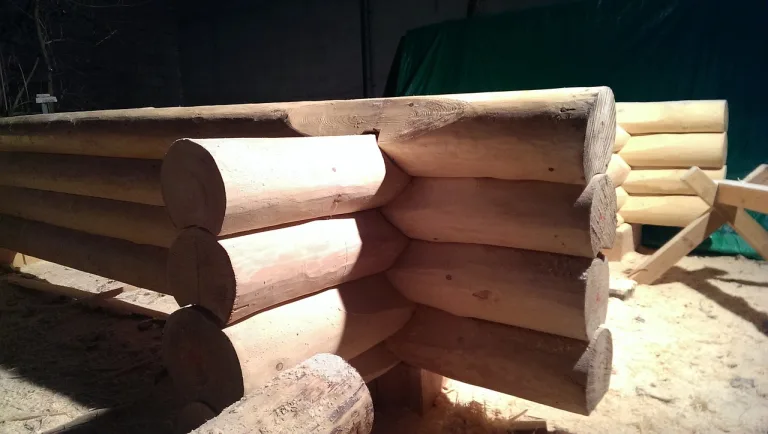
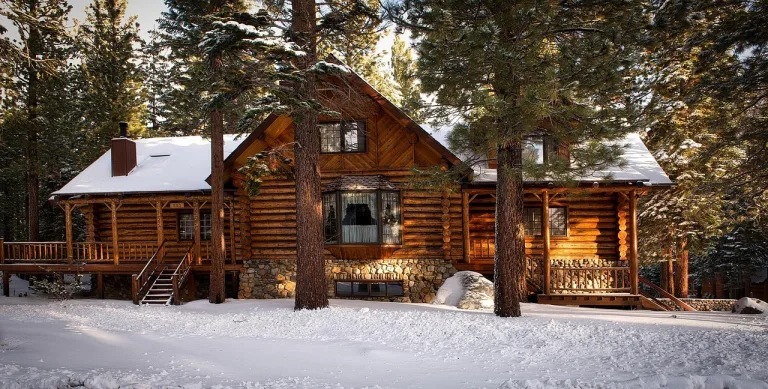
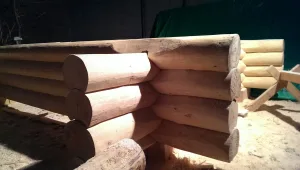
— Carpentry and structural timber works (pressure-treated where required)
— Interior finishing (plaster, drywall, painting, flooring)
— MEP installations (heating, ventilation, plumbing, electrical)
— Demolition and waste removal with environment-compliant disposal
Building materials to prioritize for Moscow projects
— Structural: reinforced concrete, precast elements, high-quality bricks, aerated concrete blocks (AAC)
— Insulation: mineral wool, extruded polystyrene (XPS) for foundations, and PIR boards for roofs
— Waterproofing: polymer-bitumen membranes, liquid-applied membranes, reliable sealants
— Finishing: moisture-resistant gypsum boards, frost-resistant façade tiles, high-quality paints designed for extreme temperatures
— Roofing: standing seam metal, polymer membranes for flat roofs, reinforced ceramic tiles for pitched roofs
— Fasteners and metalwork: galvanized or stainless hardware to prevent corrosion in the local climate
*Always request technical datasheets and frost-resistance/u-value certificates for insulation and façade systems.*
Choosing suppliers and contractors: a checklist
— Verify licenses and registration with relevant Moscow authorities.
— Confirm product certification (GOST, EAC) and ask for test reports.
— Check past project portfolio and local references — proximity matters for timely deliveries.
— Ask about storage conditions and batching options (especially for cement, adhesives, paints).
— Ensure suppliers provide technical support and material warranties.
— Negotiate delivery windows, penalties for delays, and return policies for surplus materials.
Procurement and logistics tips
— Consolidate deliveries to reduce costs and avoid repeated traffic permits.
— Schedule heavy deliveries during off-peak hours when possible.
— Ensure on-site protected storage for moisture-sensitive materials (cement, plaster, insulation).
— Plan temporary heating solutions for winter works and cold-curing materials.
— Factor in waste management costs — Moscow enforces waste disposal and recycling rules.
Contracts, timelines and budgeting
— Use detailed contracts specifying scope, materials (brand and grade), milestones, payment schedule, and penalties.
— Include a contingency of 10–20% for unexpected ground conditions or permit delays.
— For small to medium renovations, expect phases from design to handover to range from several weeks to a few months depending on permits and season.
— For new builds and larger projects, obtain staged financing and bank guarantees where appropriate.
Quality control and on-site testing
— Perform incoming material inspections: visual checks, delivery documentation, and batch certificates.
— Conduct spot tests for concrete, masonry, and waterproofing as recommended by engineers.
— Keep a photographic log and daily journal to document progress and weather conditions.
Sustainability and waste reduction
— Choose recyclable or low-emission materials where possible (low-VOC paints, certified timber).
— Plan material quantities accurately to minimize surplus.
— Work with suppliers offering take-back or recycling services for packaging and leftover materials.
Common pitfalls and how to avoid them
— Underestimating seasonal constraints — avoid exterior concrete pours and certain finishes in severe cold without winterization.
— Buying solely on price — low-cost materials often increase rework and long-term costs.
— Poor coordination between suppliers and subcontractors — appoint a site coordinator or project manager.
— Ignoring permits — always verify local Moscow requirements before starting structural or façade works.
Final recommendations
— Start with a local technical assessment by a licensed engineer familiar with Moscow’s soils and microclimate.
— Source materials from suppliers who provide documentation, delivery guarantees, and technical support.
— Use contracts that protect both schedule and quality, and include clear acceptance criteria.
If you’d like, I can:
— Provide a tailored materials list for a specific project type (e.g., apartment renovation, townhouse, commercial fit-out).
— Suggest questions to ask prospective contractors or a template inspection checklist for deliveries.