

Construction Works and Sale of Building Materials in Moscow
Moscow’s construction market is dynamic and competitive — from large-scale residential and commercial projects to renovation works and retail sale of building materials. This guide covers the local market specifics, how to choose reliable contractors and suppliers, legal and technical requirements, pricing drivers, and practical tips to avoid common pitfalls.
Market overview
— Rapid urban renewal, renovation of Soviet-era housing, and ongoing commercial development keep demand high.
— Wide range of suppliers: manufacturers, wholesale distributors, specialized retail chains, local marketplaces and online platforms.
— Local supply and logistics must account for city traffic, delivery restrictions, and storage limitations.
Types of construction works commonly offered
— New builds: residential complexes, office buildings, retail spaces.
— Renovations and fit-outs: apartments, offices, retail.
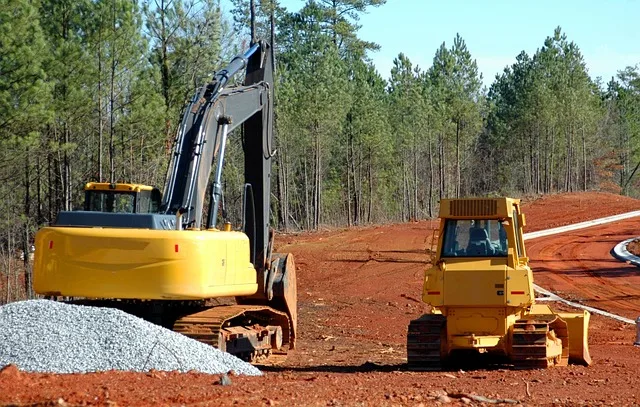
— Civil and infrastructure works: roads, utilities, landscaping.
— Specialized services: waterproofing, facades, thermal insulation, engineering systems (HVAC, electrical).
Building materials: what’s available and where to buy
— Key categories: concrete and cement, brick and blocks, insulation, gypsum boards, finishing materials (tiles, paints), lumber and engineered wood, metal structures, plumbing and electrical.
— Typical sources:
— Direct from manufacturers (bulk orders, lower unit cost).
— Wholesale distributors and warehouses (good for recurring orders).
— Retail chains and DIY stores (convenience, smaller quantities).
— Online marketplaces and B2B platforms (price comparison, delivery).
— Consider *availability of certificates (GOST, TU), warranties,* and *technical documentation* when buying.
Legal, regulatory and technical considerations
— Contractors performing significant construction usually must be members of a Self-Regulatory Organization (SRO) and hold required insurance and permits.
— Permits and approvals: check with Moscow’s urban planning authorities for required permits, demolition approvals, and acceptance documents for utilities.
— Standards and compliance: materials and works should meet Russian standards (GOST, technical conditions) and construction norms (SP).
— Inspections and acceptance: ensure contractual clauses specify intermediate and final acceptance procedures, defect liability periods, and penalties.
How to choose a contractor or supplier
— Verify credentials: SRO membership, licenses, insurance policies, and tax registration.
— Check portfolio and references: completed projects of similar scope and contactable clients.
— Obtain multiple quotes: compare scope, materials, lead times, and payment terms.
— Insist on written contracts: detailed scope, milestones, payment schedule, warranty terms, and force majeure / change order processes.
— Ask for product certificates, test reports, and samples before purchase.
Pricing factors in Moscow
— Material costs: influenced by raw material prices, import duties, and quality grade.
— Labor costs: tend to be higher in Moscow compared to regions; skilled trades command premiums.
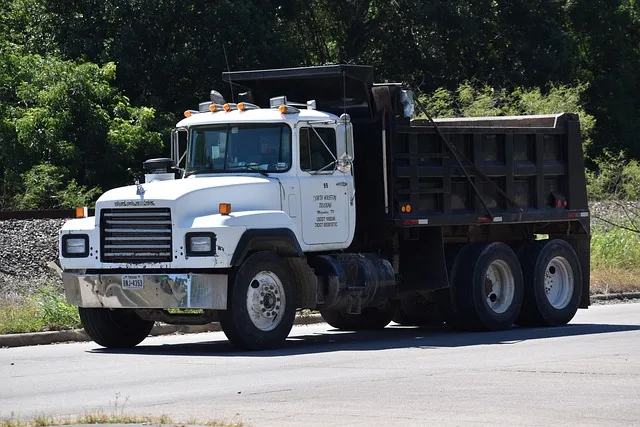
— Logistics: inner-city delivery fees, time restrictions, and crane/hoisting services for high-rise projects.
— Seasonality: earthworks and exterior works may be constrained by winter weather, affecting schedules and costs.
Logistics, delivery and storage tips
— Arrange deliveries to match installation schedule to reduce on-site storage needs.
— Confirm delivery windows considering Moscow traffic and possible permit requirements for oversized loads.
— Secure dry, ventilated storage for moisture-sensitive materials (cement, gypsum, lumber).
— Plan for waste removal and site cleanliness — local regulations may control disposal.
Trends and sustainable options
— Energy-efficient insulation, modern facade systems and upgraded windows for better thermal performance.
— Prefabrication and modular elements to reduce time on site and improve quality control.
— Increasing availability of low-carbon and recycled building materials.
Common pitfalls and how to avoid them
— Buying on price alone: low-cost materials can lead to higher costs for rework and reduced durability.
— Incomplete contracts: ambiguity about scope, quality, and timelines often causes disputes.
— Lack of verification: failing to check certificates and supplier reliability increases risk of counterfeit or substandard materials.
— Poor logistics planning: late deliveries or improper storage can stall projects.
Practical checklist for buyers and project owners
— Verify contractor’s SRO membership, licenses, insurance.
— Request certificates and samples for key materials.
— Get at least three detailed quotes and compare line-by-line.
— Define milestones, acceptance criteria, and penalties in the contract.
— Plan delivery schedule and on-site storage.
— Reserve contingency budget (typically 5–15%) for unforeseen costs.
— Monitor progress and perform interim inspections.
Conclusion
Doing construction work and purchasing building materials in Moscow requires careful planning, due diligence on suppliers and contractors, and attention to local regulatory requirements. Prioritize verified credentials, clear contracts, and aligned delivery schedules to keep projects on time and on budget. For best results, combine competitive sourcing with quality checks and sensible contingency planning.
If you’d like, I can:
— Draft a supplier/contractor questionnaire template,
— Create a sample contract checklist for your project type,
— Or provide a short list of typical questions to request certificates and test reports. Which would you prefer?