Introduction
The Moscow construction market combines high demand, dense urban logistics, and strict regulatory requirements. Whether you’re renovating an apartment, building a private house in the outskirts, or delivering a commercial project, understanding the types of construction works, the most sought-after building materials, and how to source them in Moscow will save time, money, and headaches.
Market snapshot — what to expect in Moscow
— High demand for energy-efficient and sound-insulating materials due to climate and urban density.
— Strong seasonal influence: winter conditions require special approaches (heated concreting, antifreeze additives).
— Logistics and storage constraints in the city center; just-in-time deliveries are commonly used.
— A mix of large building hypermarkets, regional wholesalers and numerous specialized suppliers.
Types of construction works (typical projects)
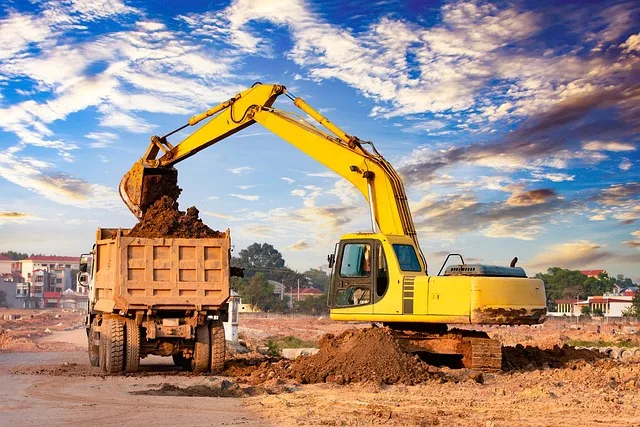
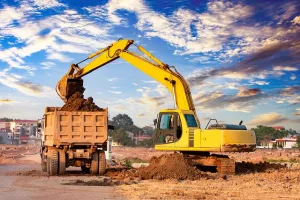
— Foundation and earthworks (pile, strip, slab foundations)
— Structural works (concrete works, reinforced concrete, steel frames)
— Masonry and block works (brick, aerated concrete)
— Roofing (membrane, metal, tile)
— Facade and thermal insulation systems (ventilated facades, EIFS)
— Mechanical, electrical and plumbing (MEP) installations
— Interior finishing (drywall, plaster, flooring, painting)
— Landscaping and external works (paving, drainage, fencing)
Most demanded building materials in Moscow
— Concrete and cement (various grades; winter admixtures often required)
— Reinforcing steel (rebar) and metal profiles
— Bricks, concrete blocks, and aerated autoclaved concrete (AAC)
— Insulation (mineral wool, extruded polystyrene, polyurethane boards)
— Waterproofing membranes and bitumen-based materials
— Drywall systems, plaster and leveling compounds
— Flooring (laminate, engineered wood, large-format tiles)
— Doors, windows (often PVC or aluminum with thermal breaks)
— Fasteners, sealants, adhesives and paints with frost/tolerance properties
Where to buy materials in Moscow
— Large building hypermarkets — good for retail quantities and immediate pickup.
— Wholesale suppliers and material bases — better prices for bulk purchases.
— Specialized manufacturers and local factories — often more competitive for specific items (insulation, concrete).
— Online marketplaces and B2B portals — convenient for price comparisons and delivery scheduling.
— Building cooperatives and developer networks — can secure volume discounts for repeated orders.
Logistics and delivery in the city
— Plan deliveries outside peak traffic hours when possible; central Moscow has tight access.
— For oversized or heavy loads, you may need permits for road use and cranes for hoisting — coordinate with the contractor and municipal services.
— Limited on-site storage in city lots: prefer staged or JIT (just-in-time) delivery to avoid theft and damage.
— Check supplier delivery terms (incoterms, lift-off, crane service, site acceptance).
Choosing reliable suppliers and contractors
— Verify documentation: product certificates, test results, warranty terms.
— Ask for references and completed project photos.
— Ensure contractors belong to a recognized self-regulatory organization (SRO) and have appropriate insurance.
— Compare total cost of ownership — price + delivery + installation + warranty — not just unit price.
— Request a clear supply schedule and penalties for missed deliveries.
Permits, documentation and compliance (practical notes)
— Prepare full project documentation before major purchases.
— Coordinate with your architect/engineer on material specifications and compliance with local building codes.
— Obtain required permits and communicate with utility providers for connection works.
— Follow local rules on construction hours, noise, and waste disposal; noncompliance can cause fines and delays.
Working in Moscow’s winter
— Use frost-resistant materials and admixtures for winter concreting.
— Schedule interior finishing and moisture-sensitive work for warmer months when possible.
— Protect stored materials from freezing and humidity (insulation boards, adhesives, paints).
Quality control and inspection
— Inspect deliveries on arrival: quantities, appearance, compliance with order.
— Keep samples and certificates for warranty and future reference.
— Perform intermediate quality checks (e.g., concrete strength tests, waterproofing continuity) during works.
Cost optimization tips
— Buy in bulk for core materials if storage and cash flow allow.
— Standardize materials across the project to reduce waste and simplify logistics.
— Consider local suppliers to lower transport costs.
— Reuse and recycle suitable demolition materials where codes allow.
— Negotiate staged deliveries and payment terms tied to milestones.
Environmental and safety considerations
— Choose materials with declared thermal efficiency and low emissions where possible.
— Plan for construction waste handling and recycling — Moscow increasingly enforces waste rules.
— Implement on-site safety protocols: PPE, organized storage, fall protection, and trained staff.
Quick checklist before starting purchases
— Finalized project drawings and specifications
— Approved permits and utility conditions (if required)
— Detailed BOM (Bill of Materials) with quantities and acceptable alternatives
— Selected suppliers with delivery schedules and written quotes
— Storage plan and site logistics for offloading and protection
— Quality acceptance criteria and inspection plan
Conclusion — first steps
1. Finalize project documentation and material specs with your engineer.
2. Prepare a prioritized purchasing schedule based on construction phases.
3. Get multiple quotes, verify certifications and delivery capabilities.
4. Coordinate logistics early — permits, cranes, and transport windows are crucial in Moscow.
5. Build quality checks into each stage to avoid costly rework.
If you’d like, I can help prepare a tailored Bill of Materials for a specific project type (apartment renovation, private house, or small commercial build) or draft an RFP for suppliers and contractors in Moscow.