Construction Works and Sale of Building Materials in Moscow — Practical Guide
Whether you are planning a renovation, building a new house, or managing a large urban project in Moscow, understanding the local market for construction works and building materials is essential. This guide covers key services, popular materials, regulatory considerations, logistics, budgeting tips, and how to choose reliable suppliers and contractors.
Market overview — what to expect in Moscow
— Moscow is a mature, highly competitive construction market with strong demand for both residential and commercial projects.
— Popular segments: high-rise residential, renovation of Soviet-era buildings, commercial fit-outs, infrastructure upgrades.
— Trend highlights: increased interest in energy-efficient materials, prefabrication, and fast-track construction methods to cope with tight schedules.
Core construction services
— *Design and engineering*: architectural planning, structural calculations, MEP (mechanical, electrical, plumbing).
— *General contracting*: turnkey project management from foundation to finishing.
— *Specialized works*: concrete and masonry, roofing, insulation, facade systems, metalwork, glazing.
— *Interior finishing*: plastering, painting, flooring, tiling, carpentry, HVAC installation.
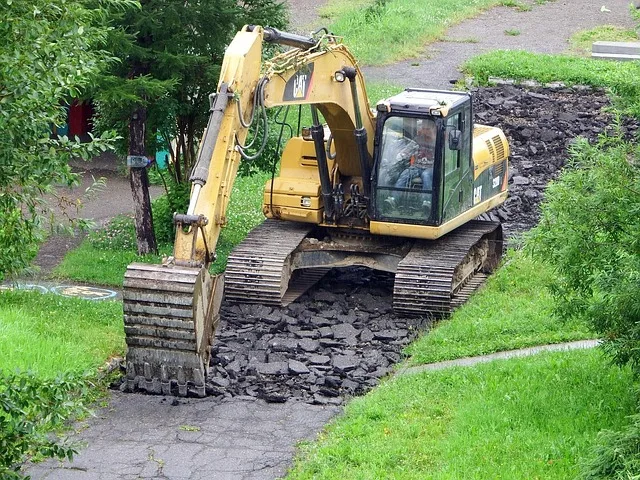
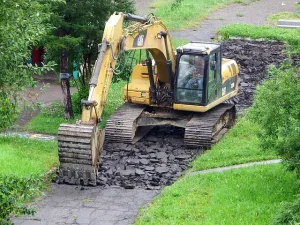
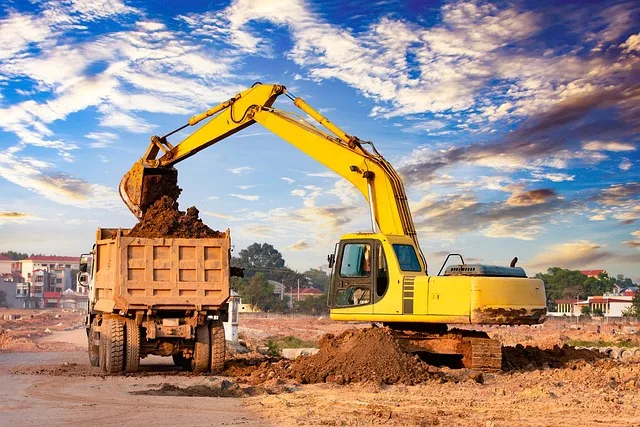
— *Demolition and site preparation*: safe dismantling, waste removal, soil stabilization.
Building materials commonly used in Moscow
— Structural: reinforced concrete, prefabricated concrete panels, steel beams.
— Masonry: clay bricks, gas silicate (aerated) blocks, cinder blocks.
— Binding agents: Portland cement, dry mixes (plasters, adhesives).
— Insulation: mineral wool, extruded polystyrene (XPS), PIR boards.
— Finishing: gypsum boards, decorative plaster, tiles, laminate and engineered wood flooring.
— Roofing: metal roofing, bitumen roofing, membrane systems.
— Fenestration: double- or triple-glazed windows, aluminum and PVC frames.
— Sustainable options: recycled aggregates, low-VOC finishes, energy-efficient windows.
Quality and compliance
— Ask for certificates of conformity (сертификаты соответствия, декларации) and factory test reports.
— Ensure materials comply with GOST and relevant construction norms (e.g., СНиП standards) where applicable.
— For critical systems (structural concrete, steel), require material test data and delivery batch tracking.
Permits and regulations in Moscow
— Small repairs may need only notifications; major works typically require project approval and permits from Moscow city authorities.
— Coordinate with local planning and building departments early to avoid delays.
— Ensure contractors hold valid licenses and insurance; verify subcontractor credentials.
Logistics and delivery considerations
— Moscow traffic, restricted zones, and weight/size limits affect delivery windows—plan for early-morning or night deliveries when possible.
— Use local warehouses or just-in-time delivery to reduce on-site storage needs.
— For oversized or heavy loads (steel structures, long beams), check for permit requirements and route clearance.
Seasonal and technical tips
— Winter work: use antifreeze additives for concrete, heated storage for temperature-sensitive materials, and cold-weather construction methods.
— Moisture control: store insulation, drywall, and wood off the ground, under cover.
— Prefabrication: consider modular components to speed construction and improve quality control.
Budgeting and pricing
— Price drivers: material brand/grade, delivery distance, seasonality, project scale, and labor complexity.
— Common approach: obtain several detailed quotes (materials + delivery + installation) and compare itemized costs.
— Look for volume discounts and manufacturer promotions, but prioritize verified quality over lowest price.
How to choose suppliers and contractors
— Supplier checklist:
— Verified legal status and showroom/warehouse in or near Moscow.
— Availability of certificates and technical data sheets.
— Clear delivery terms and return policy.
— References and reviews from local projects.
— Contractor checklist:
— Written contract with scope, schedule, payment terms, and defect liability period.
— Portfolio of completed projects in Moscow.
— Transparent procurement practices (can source and verify material certificates).
— Comprehensive insurance (civil liability and worker coverage).
Risks and how to minimize them
— Risk: hidden costs from poor-quality materials. Mitigation: require certificates and sample testing.
— Risk: schedule slips due to permit delays. Mitigation: start approval process early and allocate buffer time.
— Risk: delivery delays in peak season. Mitigation: order critical materials in advance and use staged deliveries.
Sustainability and modern trends
— Growing demand for energy-efficient facades, improved thermal insulation, and smart building systems.
— Increased use of prefabricated panels and modular construction to cut timelines and waste.
— Suppliers increasingly offer eco-labels, recycled-content materials, and lifecycle data.
Quick checklist before starting
— Confirm required permits with Moscow authorities.
— Obtain at least three detailed supplier quotes and three contractor bids.
— Verify certificates, warranties, and delivery timelines.
— Plan logistics (site access, storage, delivery windows).
— Include a contingency reserve (typically 5–15% of budget).
Final recommendations
— Prioritize reliable partners in Moscow with documented experience and local logistics capabilities.
— Balance cost with long-term performance—investing in quality materials often reduces maintenance and energy costs.
— Maintain clear contracts and regular project communication to keep timelines and budgets under control.
If you’d like, I can:
— Draft a shortlist of reputable material suppliers and contractors in Moscow;
— Create a template materials list and budget for your specific project;
— Outline the permit process steps tailored to your project type.
Tell me which option you prefer or provide project details (type, size, timeline) and I’ll prepare a customized plan.