
Overview
Moscow’s construction market combines large-scale urban redevelopment and active private construction. Whether you are renovating an apartment, building a suburban house, or supplying materials to contractors, understanding local conditions, regulations, and logistics is essential for quality, cost control, and timely delivery.
Main types of construction works in Moscow
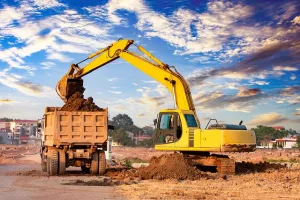
— Earthworks and foundation — excavation, piling, shallow and deep foundations adapted to Moscow’s seasonal groundwater and frost conditions.
— Structural construction — load-bearing concrete, reinforced concrete frames, brickwork, and aerated concrete (gasobeton) masonry.
— Roofing and waterproofing — flat and pitched roofs with reliable vapor and waterproof barriers to withstand snow loads and melt.
— Thermal insulation and façade work — external insulation systems (ETICS), ventilated facades, and finishing for energy efficiency.
— Partitions and interiors — drywall systems, suspended ceilings, interior finishing.
— MEP (mechanical, electrical, plumbing) — HVAC adapted to local climate, water supply, drainage and heating systems.
— Landscaping and hardscaping — drainage, paving, retaining walls for suburban plots.
Building materials commonly supplied in Moscow
— Cement, concrete (ready-mix), and additives
— Bricks, blocks (clinker, silicate, gasobeton)
— Reinforcement (rebar), mesh and formwork systems
— Insulation: mineral wool, extruded polystyrene (XPS), PIR boards
— Drywall (GKL), metal profiles, plaster and putty compounds
— Roofing: metal sheets, bitumen shingles, roll roofing, membranes
— Doors and windows: PVC, aluminum, wooden joinery, glazing units
— Finishes: tiles, paints, plasters, laminates, engineered wood
— Aggregates: sand, crushed stone, gravel
— Waterproofing membranes, sealants, adhesives, fasteners
Key considerations for Moscow projects
— *Climate impact*: strong winter frosts and freeze–thaw cycles demand frost-resistant materials, proper insulation and foundation design.
— *Moisture management*: high groundwater in certain areas requires effective drainage and waterproofing solutions.
— *Energy efficiency*: Moscow’s energy costs and regulations make quality insulation and efficient glazing a priority.
— *Loadings*: ensure structural elements and roofs are designed for snow loads and wind exposure typical for the region.
Regulations, standards and permits
— Materials and works must comply with Russian standards such as *GOST* and construction norms *SNiP* (or the more recent SP standards).
— For larger projects and new buildings, obtaining a *Разрешение на строительство* (building permit) and following Moscow city planning rules is mandatory.
— Electrical, gas and certain structural works require certified specialists and acceptance by relevant authorities.
— Always request certificates of conformity and technical passports for critical materials; for imported goods check EAC marking and documentation.
Suppliers, logistics and delivery in Moscow
— Moscow is a hub with many wholesalers, manufacturers and nationwide distributors; proximity to supplier warehouses reduces lead times.
— For heavy materials (concrete, aggregates, sand), order via producers offering batching plants, on-site delivery and pump services.
— Use supplier claims or sample checks to verify material quality on delivery (batch numbers, certificates).
— Plan deliveries to avoid traffic restrictions, city low-emission or weight-limited zones, and to coordinate with construction schedules.
Cost drivers and how to optimize spending
— Major cost items: foundation works, structural concrete, façade insulation, windows/doors, and finishing.
— Ways to reduce costs: bulk purchasing, selecting price-performance balanced materials (e.g., gasobeton blocks for thermal performance), prefabricated elements, and competitive tendering among contractors.
— Beware of underpriced offers; low-cost materials or labor often lead to rework and higher lifecycle costs.
Choosing a contractor and materials supplier
— Verify licensing, insurance, and reviews; request portfolios of similar Moscow projects.
— Insist on a detailed contract with milestones, penalties for delay, and warranty terms.
— Ask for technical specifications, material certificates, and a clear acceptance procedure for each stage.
— Consider contractors experienced with Moscow municipal procedures, lifts, and logistics in dense urban areas.
Environmental and energy-efficient options
— Use high-performance insulation (mineral wool, PIR, XPS) and modern triple-glazed windows to reduce heating demand.
— Consider low-carbon concrete mixes, recycled aggregates, and responsibly sourced timber.
— Green roofing, heat pumps and ventilation with heat recovery (HRV) are viable for long-term savings and comfort.
Practical tips for buyers in Moscow
— Start procurement early — peak construction season increases lead times.
— Match material choice to the microclimate of your site (e.g., groundwater level, shade, wind).
— Require and check certificates of conformity and test reports for structural and sealing products.
— Get at least three bids and check references; compare total cost and warranty, not just price.
— Keep a contingency budget (typically 10–20%) for unexpected site conditions or price fluctuations.
Conclusion
Construction and building-material supply in Moscow demand careful planning around climate, logistics and regulatory requirements. Selecting reliable suppliers, verifying documentation, and working with experienced contractors will minimize risks and secure a durable, energy-efficient result. For complex projects, consult local design and legal specialists to ensure compliance with Moscow’s rules and technical standards.
If you want, I can provide:
— a checklist for buying materials in Moscow,
— a template for requesting contractor bids, or
— a short list of common materials and estimated delivery times for the Moscow area.